Surfing Pavones, Costa Rica: What You Need to Know
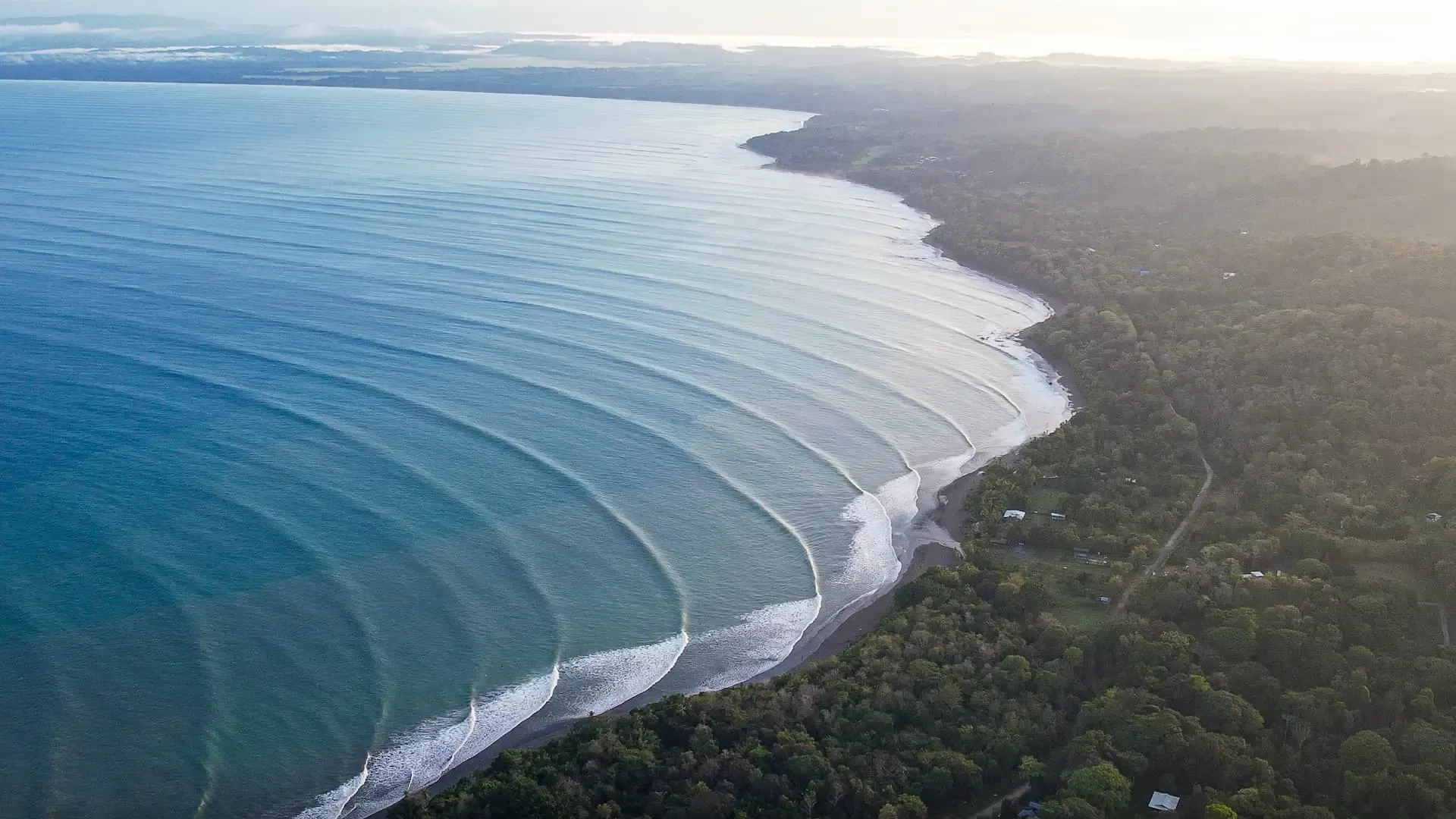
Surfing Pavones, Costa Rica comes down to one thing: a left-hand point break that, on the right swell, delivers one of the longest rides in the world.
The Wave
The Pavones left breaks off a rocky point at the edge of the Golfo Dulce, in Puntarenas province near the Panama border. It is widely ranked as the second-longest left-hand wave in the world, after Chicama in Peru.
On a solid south or southwest swell, the ride stretches well over half a kilometer from takeoff to the end section. The bottom is a mix of sand and rock.
What sets Pavones apart is not the length alone, but the length combined with shape. The wave gives you room to think, build speed, and link turns in a way a short beach break never allows.
How the Wave Surfs, Section by Section
The wave changes character as it runs, so it helps to know the sections before you paddle out.
First-timers describe it the same way: the first wave is mostly survival, and by day three you start to understand what the wave is offering. That shift, from riding the wave to surfing it, is what brings people back.
Takeoff and entry
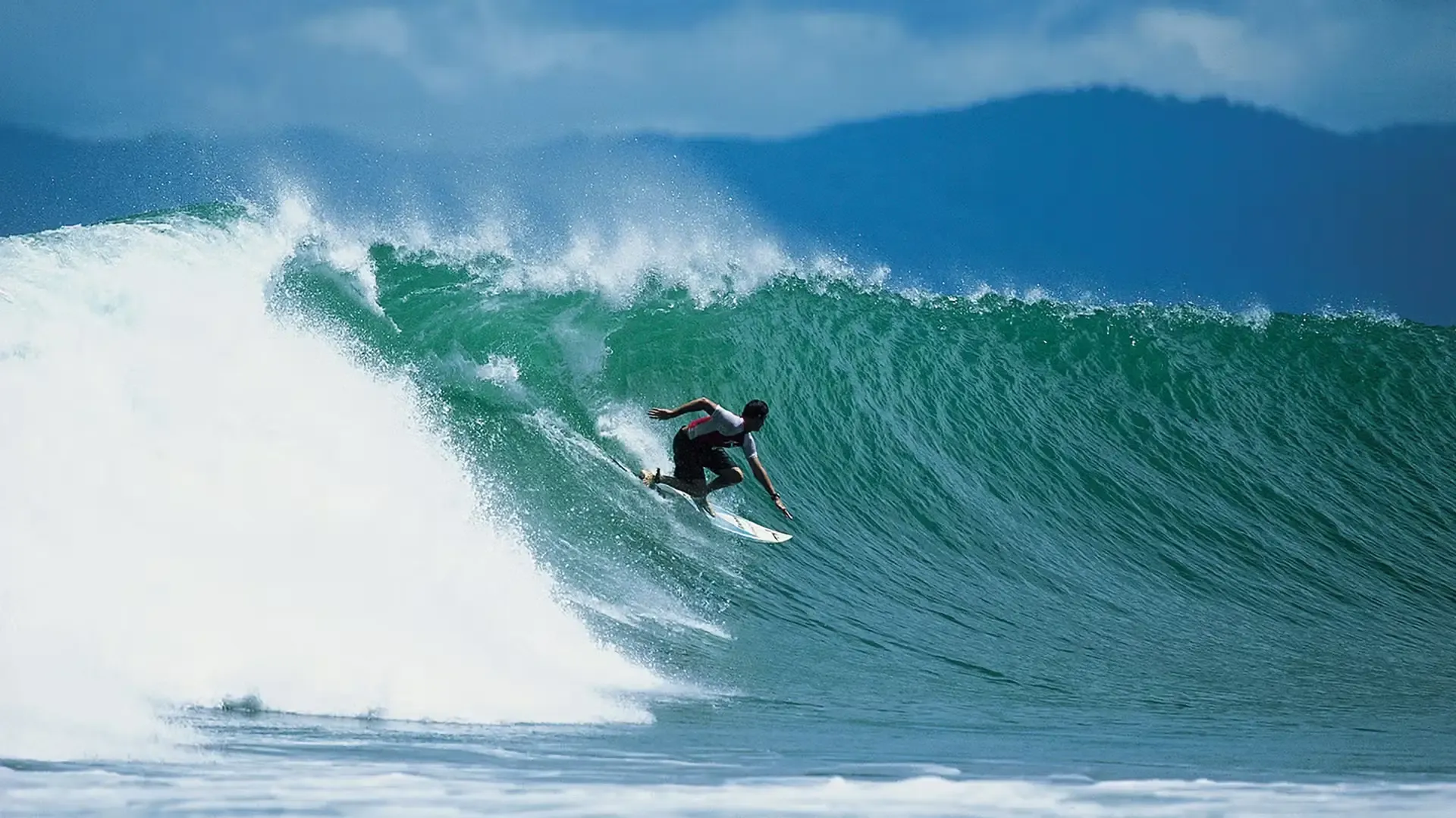
The takeoff sits near the rocky point, where the wave stands up fast and pitches with the most force. It rewards a committed, controlled approach. Hesitate or go too straight and the lip catches you early.
Middle sections
This is where the length becomes real. The face softens, giving you time and space to generate speed and set up turns rather than react. The surfing here is slower and more deliberate, with room for expression.
End section
The wave loses shape as it runs into shallower water. Most rides finish along this transition, followed by a long paddle back to the point.
Best Time to Surf Pavones
The swell window is driven by the southern hemisphere. From April through October, low-pressure systems across the South Atlantic and South Pacific generate the south and southwest swells that load the point.
| Period | Swell consistency | What to expect |
|---|---|---|
| April – June | Building | Early season; swells arrive but can be inconsistent. Fewer surfers in the water. |
| July – September | Peak | The most reliable window. Larger, more frequent south swells. Best chance of long rides. |
| October | Fading | Swell activity begins to taper. Still worth the trip, but less predictable. |
| November – March | Low | Southern swell drops off significantly. The wave can still fire on a northwest swell, but consistency is low. |
The water is warm year-round, between 26°C and 29°C. A light wetsuit top or rash guard is enough for most surfers.
What Level Do You Need?
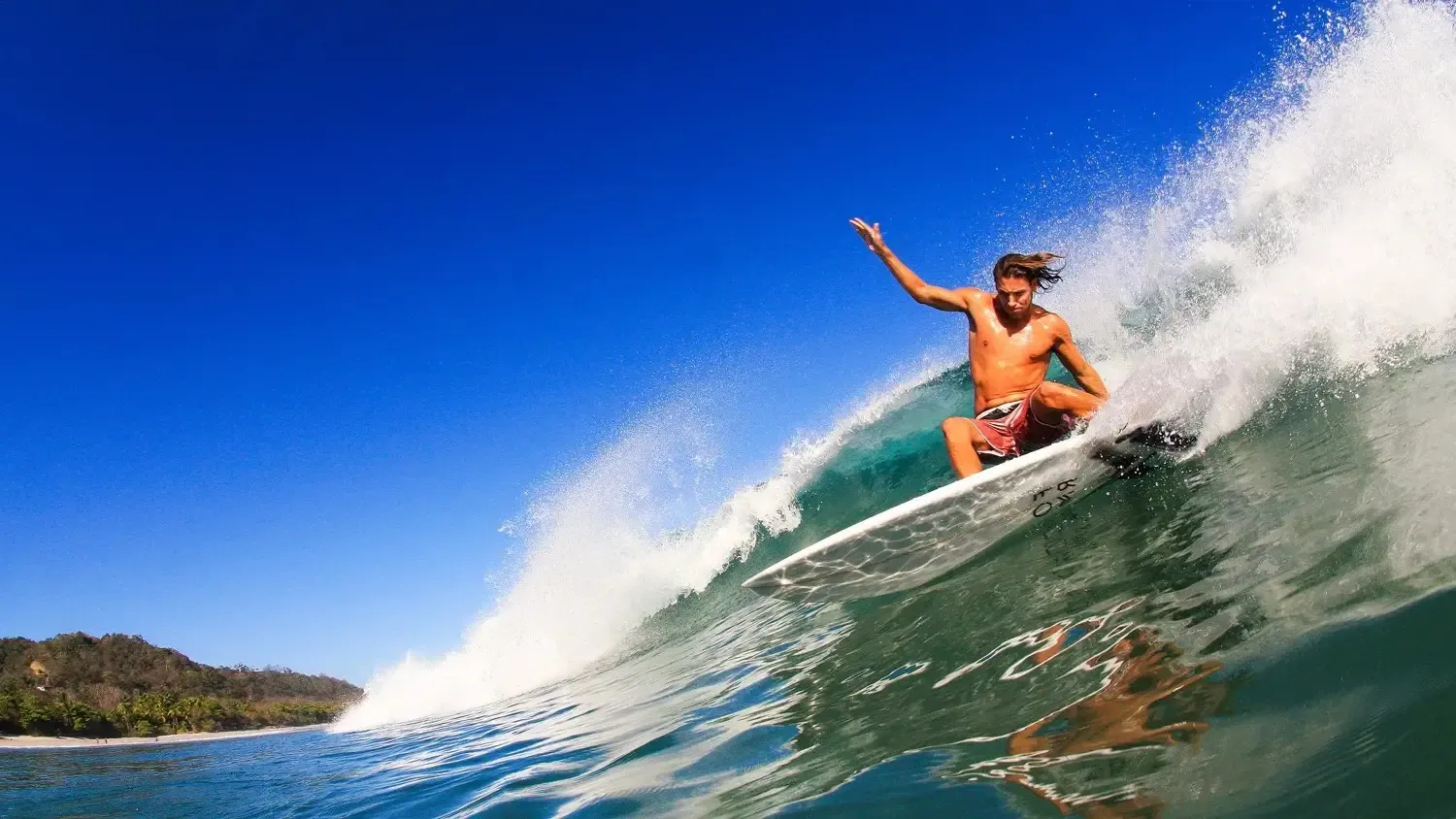
Pavones is an intermediate to advanced wave. The shore break on entry, the speed of the takeoff, and the commitment a point break demands all assume a foundation before you will actually enjoy it.
You are likely ready for this wave if you:
If that sounds like where you're at, our intermediate surf camp in Pavones pairs coached sessions and video review with this exact wave.
Are comfortable paddling out through an unprotected shore break
Can read a lineup, position yourself, and catch open-ocean swells consistently
Have experience on point breaks or reef breaks and understand right-of-way in a non-beginner lineup
Have been surfing regularly for at least two or three years
The Lineup: Crowd and Vibe
On a normal day, Pavones is quiet. The remoteness filters out casual visitors, and the people who make it out here came for the wave. That shared purpose shapes the water.
When a significant south swell is forecast, the lineup fills up as surfers drive and fly in from other parts of Costa Rica. Even then, the wave is long enough that a single set can serve several surfers without the compression you find at a shorter break.
Priority is generally respected. Most people out here know it is not a beginner wave, and dropping in or snaking the lineup goes over poorly.
Getting to Pavones
Pavones is not on the way to anything else in Costa Rica. The journey takes a plan.
Fly to San José
via your international carrier. Most routes connect through Miami, Houston, or European hubs.
Connect to Golfito
on a domestic flight. The San José to Golfito route takes around 45 minutes and runs daily. This is the fastest way to reach the area.
Drive from Golfito to Pavones.
Roughly an hour and a half. The road is paved for most of the route, then turns to unpaved dirt for the final stretch. A 4x4 is strongly recommended, especially in the rainy season.
Or drive from San José.
The overland route follows the Interamericana south through Palmar Norte and down the coast. It takes the better part of a day, and the final stretch after dark is not advised.
Airport transfers available — to skip the logistics, we can arrange your ride from San José or Golfito straight to Pavones.
Other Surf Spots in the Area
When Pavones goes flat, or you just want a change of scenery, a few other breaks are within reach.
We organize day trips to all these spots when conditions are at their best. Our local guides will be there to advise you on where to go, and at the best time.
None of these compete with Pavones on a solid south swell. They are back-up options and day trips, not the reason you came.
If you would rather have this kind of exploring built into the trip itself, our Pavones Surf Expedition package is designed around exactly that.
Punta Banco
A short drive south toward the Panama border. A more forgiving wave that works on smaller swells, better suited to intermediates or to days when Pavones is not performing.
Matapalo
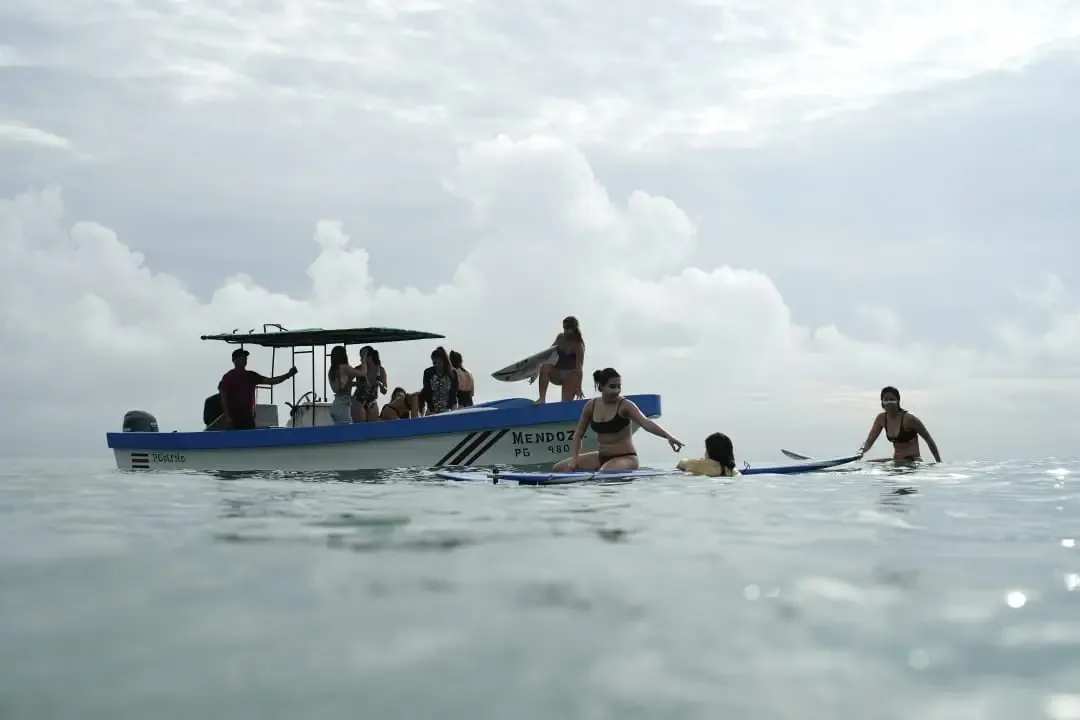
Across the Golfo Dulce on the tip of the Osa Peninsula, reached by boat. A cluster of right-hand point breaks that make a natural contrast to the Pavones left, and the crossing turns a session into a full day on the water.
Pilón
A nearby break that comes alive on the right swell and tide. Quiet, and a good call when you want to surf away from the main point.
Rancho Mar and Saleas
Further along the coast, inconsistent and swell-direction dependent, but capable of clean, empty waves on the right day.
Beyond Surfing
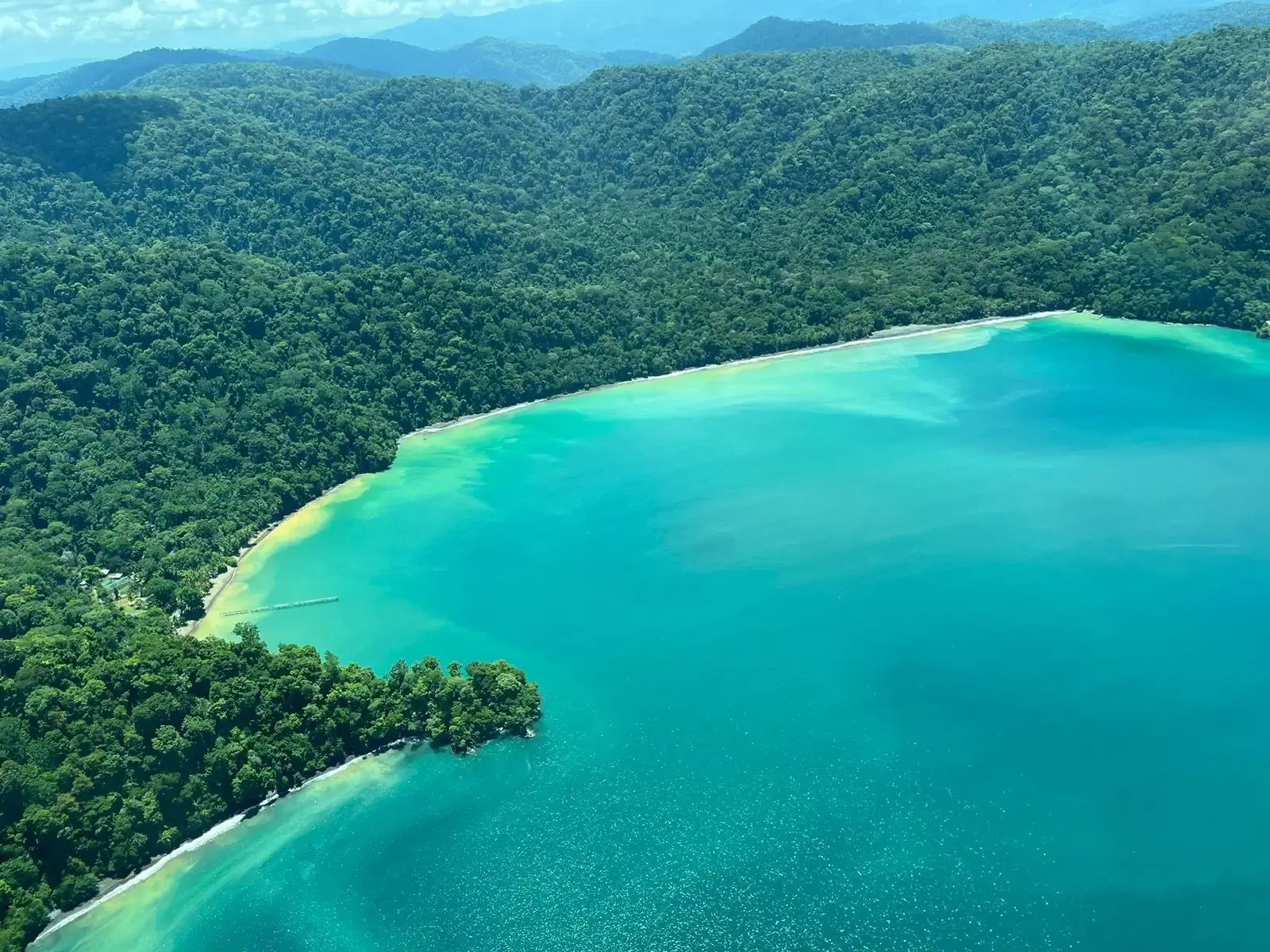
Pavones sits on the edge of the Golfo Dulce, one of a handful of tropical fjords in the world. The gulf is calm, warm, and rich in marine life. Dolphins, whale sharks, and humpback whales pass through depending on the season.
The jungle runs down to the coast on both sides. Scarlet macaws, howler monkeys, and reptiles are common around the area. Playa Banco, just south, is a quiet beach and a sea turtle nesting site in the right months.
Sport fishing is active in the gulf, with snook, tuna, and roosterfish for anyone who wants a day on the water without a board. For more ways to fill the flat days, from wildlife trips to fishing charters, see our guide to things to do in Pavones.
Otherwise Pavones stays small: a handful of local restaurants, a market, and the beach. For most surfers who come here, that is the point.
Planning a Stay in Pavones
The most practical way to surf Pavones is to base yourself at a camp built around the break, with accommodation close to the point and your days shaped by the tide and swell.
If a quieter, resort-style base right by the water suits your pace better, our Pavones Surf Resort is built around exactly that.
When you are ready to plan, the team behind Pavones Surf Camp can walk you through options based on when you want to come and what you are after.